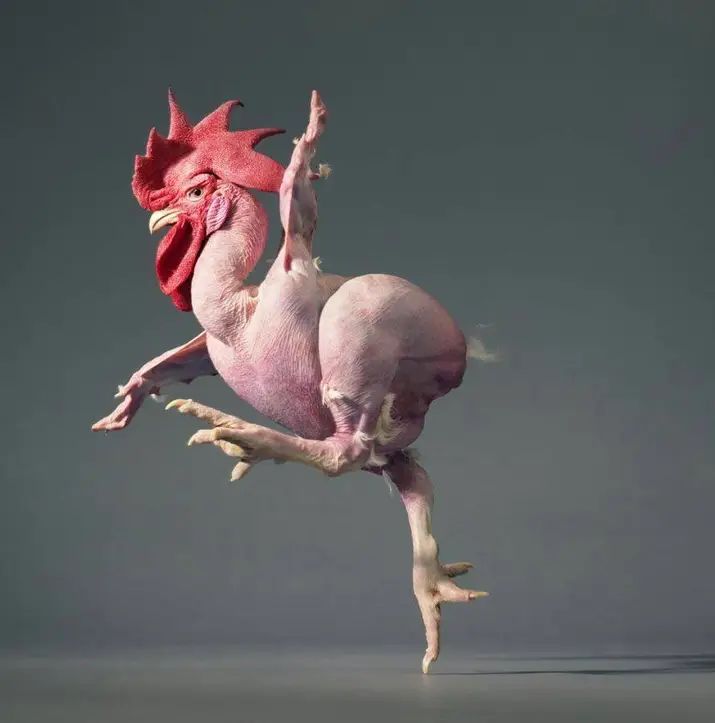
Have you ever seen a featherless chicken, an orange-fleshed sweet potato or golden rice??
Well, it’s all thanks to biotechnology.
Many controversies have arisen concerning biotechnology, especially in the African setting. Some believe that biotechnology-based food products would lead to cancer. At the same time, some argue that it is a grave sin to humanity as it deviates from the natural principles of growing crops and rearing animals. However, this concept is simply merging biology with technology to create innovative solutions that improve our lives and the future of the planet. And guess what? The majority of us have consumed biotechnology-based food for years without even realising it.
Africa is home to over 230 million people who are threatened by hunger due to climate change, soil degradation, pests, low agricultural yields, etc. These issues seem unending as a majority of the countermeasures are not effectively solving the problem. But what if I told you there is hope for Africa to break free from the shackles of hunger? Yes! Biotechnology can be that powerful tool that offers a new ray of hope for transforming Africa’s food production landscape.
Let me break it down for you.
Remember how persistent pests keep destroying crops despite countless pesticide applications? Through genetic engineering, some African scientists have developed crops that naturally resist these destructive insects. Imagine farmers sleeping peacefully at night, knowing their maize won’t be destroyed by stem borers. This is currently being implemented in countries like South Africa and Kenya. There’s also that part where biotechnology can help create crops that can thrive with minimal water. These drought-resistant varieties can thrive very well in the face of climate change.
“But wait,” you might say, “isn’t natural food better?” Here’s the thing: humans have been modifying crops and animals for thousands of years through selective breeding. Modern biotechnology just does it more precisely and efficiently. Biotechnology helps improve the taste of our food, increases the nutritional composition of food serves as a shield against the effects of climate change and many more….
With this weapon, we can make cassava that stays fresh longer after harvesting, maize that can fight off multiple pests at once, rice that can grow in salty soils and probably, crops that need fewer fertilizers but give higher yields.
As Africans, the choice is ours. We can embrace these innovations while ensuring they’re properly regulated and accessible to all farmers, or we can let fear and misconceptions hold us back. Amidst these food security challenges, can we really afford to ignore such a powerful solution? The future of food security in Africa might just lie in that featherless chicken, that orange sweet potato, and that golden rice. And that future? It’s looking brighter than ever.
Remember how persistent pests keep destroying crops despite countless pesticide applications? Through genetic engineering, some African scientists have developed crops that naturally resist these destructive insects. Imagine farmers sleeping peacefully at night, knowing their maize will not be destroyed by stem borers. This is currently being implemented in countries like South Africa and Kenya. There is also that part where biotechnology can help create crops that can thrive with minimal water. These drought-resistant varieties can thrive very well in the face of climate change.
“But wait,” you might say, “is natural food not better?” Here is the thing: humans have been modifying crops and animals for thousands of years through selective breeding. Modern biotechnology just does it more precisely and efficiently. Biotechnology helps improve the taste of our food, increases the nutritional composition of food serves as a shield against the effects of climate change and many more.
With this weapon, we can make cassava that stays fresh longer after harvesting, maize that can fight off multiple pests at once, rice that can grow in salty soils and probably, crops that need fewer fertilizers but give higher yields.
As Africans, the choice is ours. We can embrace these innovations while ensuring they’re properly regulated and accessible to all farmers, or we can let fear and misconceptions hold us back. Amidst these food security challenges, can we really afford to ignore such a powerful solution? The future of food security in Africa might just lie in that featherless chicken, that orange sweet potato, and that golden rice. And that future? It’s looking brighter than ever.


 AllDiet Food blog
Leave a reply to Boluwatife Favour Cancel reply