What if you were told that your regular meals could save the planet?
I bet I just heard you say, “As How?”
But that’s exactly what sustainable food practices are all about; they entail making choices in how we grow, produce, and consume food that protect the environment, reduce waste, and promote fairness. The words “sustainability,” “circular economy,” and “climate change” can feel big and far away, like something only scientists or policymakers talk about. However, the truth in Nigeria is that food waste is common, farming is under pressure, and inflation is messing with food prices. Sustainability is not just a buzzword, but it’s a need to keep us filled and healthy for years to come.
Thankfully, some amazing innovations are making sustainable food practices easier and more accessible, even right here in Nigeria. Here are some of them;
1. Urban and Vertical Farming
With more people moving into cities like Lagos, Port Harcourt, and Abuja, we’re losing farmlands. This brings about the adoption of vertical and urban farming methods of growing food upwards or in small urban spaces using containers, rooftops, or even hydroponics (growing plants in water instead of soil).
In Nigeria, organisations like EYiA, Songhai farms are exploring this innovation and actively engaging young minds on similar projects.
2. Food Waste Reduction
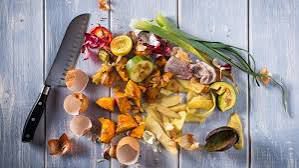
According to the FAO, Nigeria wastes over 40% of its food, mostly from poor storage, transport, or just tossing “imperfect” produce. Mobile Apps like PricePally and Chowberry are connecting consumers with affordable, surplus food items before they go bad. At the grassroots level, creative food entrepreneurs are turning rejected fruits into smoothies, dried snacks, or juices. Even better, innovations like solar dryers help farmers dry tomatoes, peppers, and fish without spoilage.
3. Plant-Based Innovations
You don’t have to give up meat forever, but trying out plant-based meals helps reduce the pressure on livestock farming, which takes a lot of land and water.
Plant-based eating in Nigeria is getting more exciting—with companies producing tofu (locally known as awara), mushroom “meat,” and even bean-based burger patties. Some food creators are blending traditional Nigerian flavors with meat-free options, so you still get your spicy taste, just with a greener footprint.
5. Upcycled Foods – New Life for Food Byproducts
In Nigeria, food byproducts like cassava peels, groundnut shells, or plantain skins are often seen as Waste.
Startups are now turning cassava peels into animal feed, using old bread for croutons, and transforming fruit peels into jam or flour. At local markets, some vendors dry unused parts of foods to create natural spices or soup thickeners. Nothing goes to waste, and you get new, creative food products.
Want to know how you can play your part??
You can start by:
- Shop local food items to support your neighborhood farmer or market women.
- Embrace “ugly” farm produce, it still tastes great.
- Store food smartly using coolers or solar dryers if possible.
- Don’t waste leftovers, turn them into soups or stir-fries or an interesting recipe.

 AllDiet Food blog
Leave a comment