You have probably heard of the word sustainability many times. In different contexts like sustainable cities, sustainable future and the likes. It is the happening thing now and one of the most discussed topics worldwide.
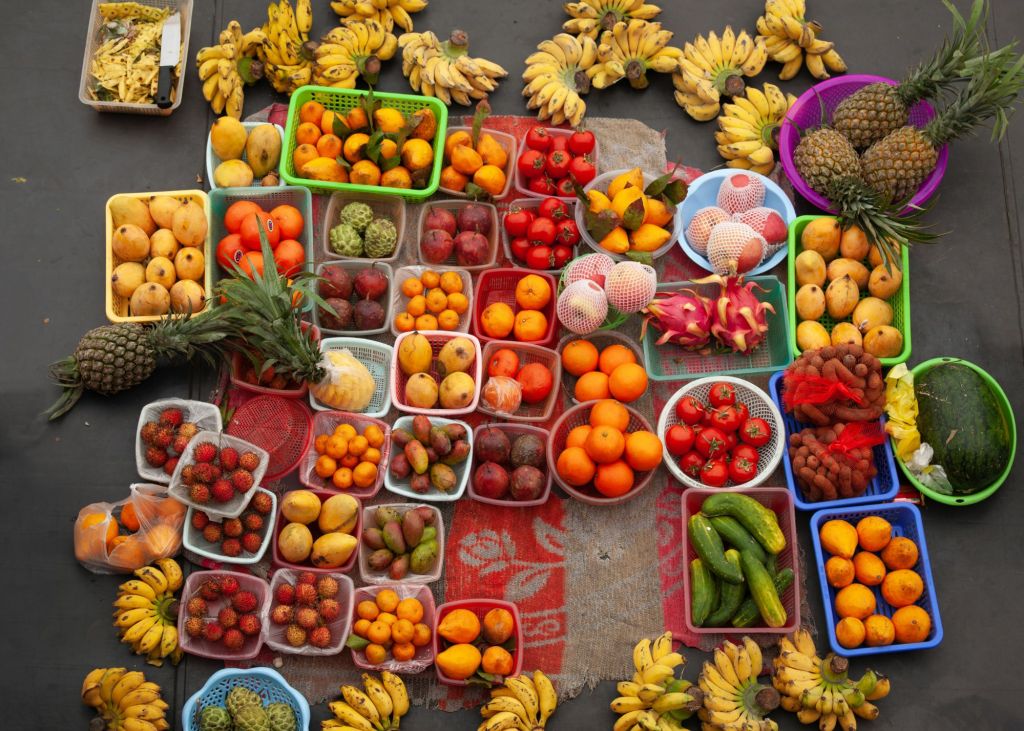
But do you understand it?
Sustainability might sound foreign, but it’s simple.
It means doing something in a way that—if done continously for many years— it won’t cause harm to the environment, climate or deplete natural resources to the extent that it would be unavailable for future generations.
While we are aiming for a sustainable future, it’s hard to ignore the fact that many years to come, food insecurity will significantly increase if deliberate actions are not taken now. Food Sustainability is of utmost importance, our lives and the lives of many generations are dependent on it.
What is Food Sustainability?
It is the cultivation, processing, and consumption of food in ways that keeps the environment safe, supports local farmers and communities, preserves natural resources for future generations. It’s not just about “going green”—it’s about protecting your health and your food’s future.
In simpler terms:
Growing and eating food in a way that won’t destroy the environment and leave nothing for the future generations.

And maybe it doesn’t make much sense to you yet. But your daily actions, consumption patterns are contributing factor to a global health issue embedded in food insecurity.
How much do you know about the food you eat?
Imagine this: You’re biting into a succulent mango. It tastes and looks perfect, but do you know how it was grown? Was it sprayed with chemicals? Did it travel a long distance? Is it adding nutrients to your body—or just filling your stomach?
Ask yourself:
Do I know where my food comes from?
Do I eat more fresh, seasonal produce or packaged, processed items?
Do I waste food often?
(If you answered “I can’t say” to any, it’s fine, you’re not alone)
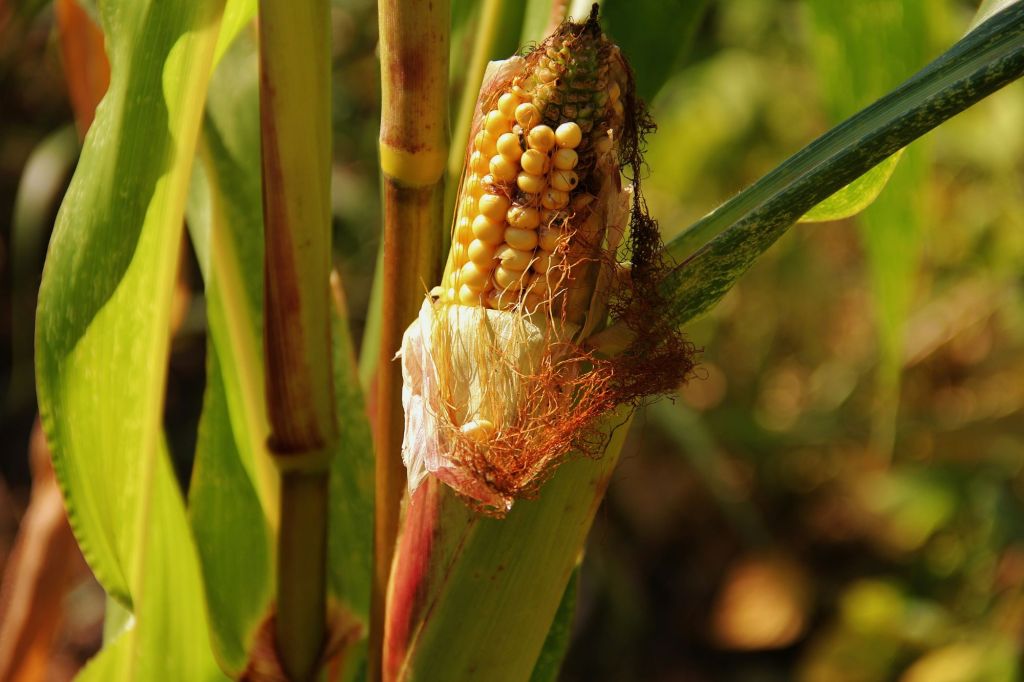
These are the real questions sustainability addresses. The questions we should be asking, but oftentimes in a bid to feed our stomachs and stay alive, we simply don’t bother with these questions, because that’s not the most important thing on our minds. Eating and satisfying our hungers seem much more important.
But we can do better than that.
Because we need to.
Sustainability and food safety are inseparable.
Without one, the other cannot exist. They are not interchangeable.
Food Safety is achievable through sustainability, because sustainable practices promotes a decline in the use of harmful pesticides, antibiotics, and chemical preservatives that can contaminate food—which in turn harms gut health and contribute to antibiotic resistance in both humans and animals.
Examples of effects of sustainability on food safety include:
- Farmed produce will be less likely to have pesticide residues.
- Sustainably raised animals are less likely to carry diseases caused by poor living conditions.
- Cleaner farming means safer food for a healthier you.
How can you contribute to sustainability?
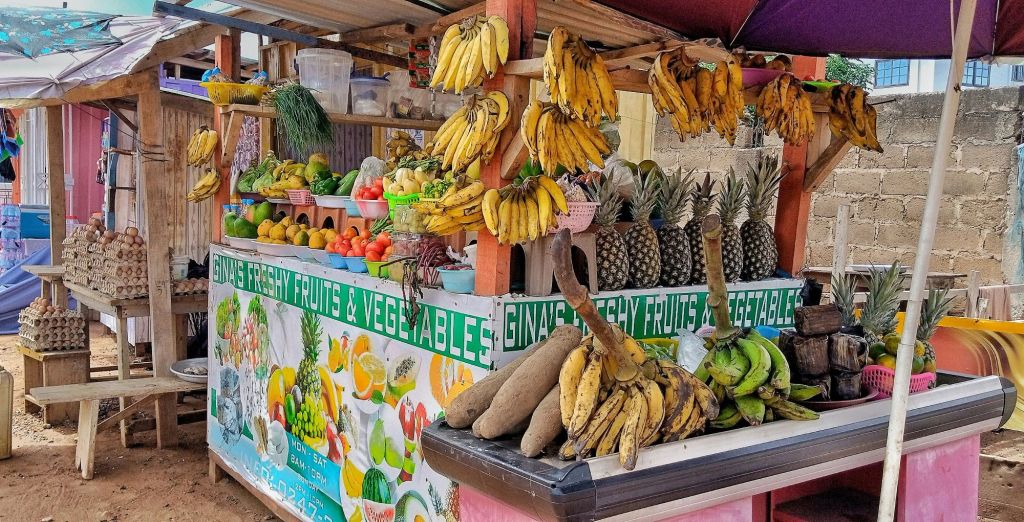
1. Buy from local farmers.
2. Know your food—check labels and ask questions.
3. Cook enough to eat but not enough to waste food.
4. Try to cut down meat consumption and try plant-based diet at least twice a week.
You’ll be surprised how good it feels. Not eating animal protein for two days won’t make you protein deficient, there are many plant protein options to explore.
If you do this, your body and the planet will thank you.
Finally,
Sustainability isn’t just a global trend—it’s a necessity. If you want food that’s safe, nutritious, and available for future generations, you need to be involved.
Be conscious of the kind of food you grow, how you grow it and how safe your food is—also, don’t waste food!

 AllDiet Food blog
Leave a comment