In Nigeria pepper is not just a spice, it is an identity. We eat, breathe, and live pepper. It’s practically a family member in many Nigerian homes.
Ever heard of the saying, “a soul that does not eat pepper is a powerless soul”
Whoever said that is definitely a Nigerian.
Just imagine a world without pepper.
Bland, tasteless, nauseous, and powerless.
Okay, that may be extreme, but most Nigerians, that I have interacted with, prefer not to live without pepper.
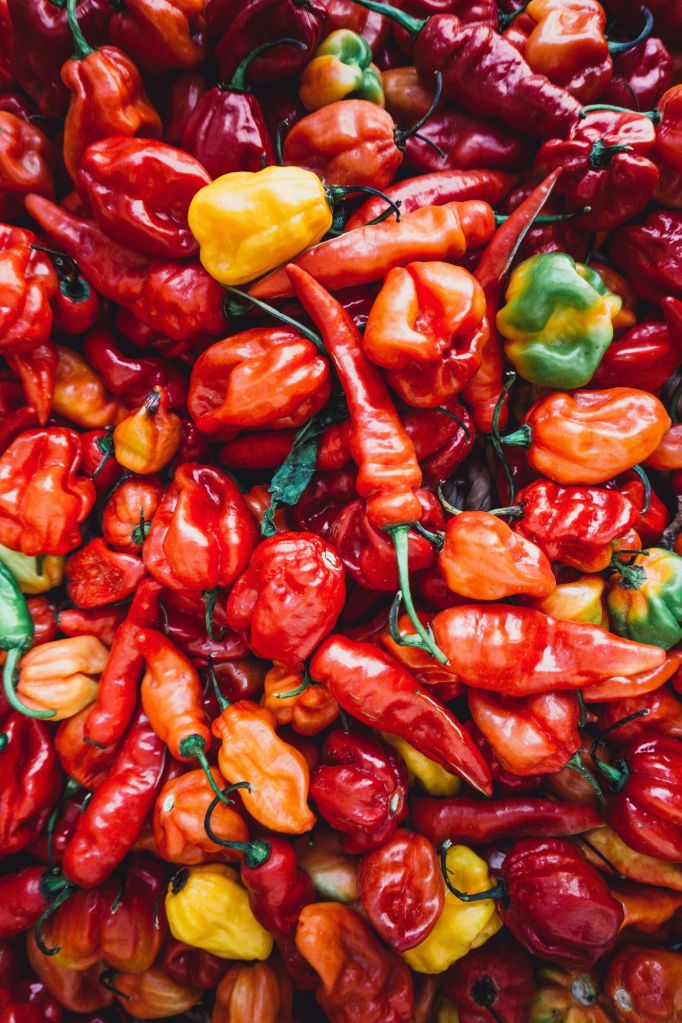
Nigerians don’t only use it in food but also to hype, compliment, and threaten.
For example:
“Pepper dem” — show them, don’t hold back, flaunt what you have and let them know you’ve got it.
“If you mess this up I’ll show you pepper” — I will deal with you mercilessly in an unforgettable way.
So, you see? It is a lifestyle.
The dilemma of Nigerians in Diaspora
Someone I know recently left the country and one of her major concerns right now is that the pepper she carried along is about to finish. It is not as if there is no pepper in the country where she is, but it is just not hot enough.
Once again, pepper is life.
If you’re not eating pepper, are you even living?
And if the pepper you are eating is not hot then it’s not pepper but a red fruit.
There is always that one Nigerian friend
that says, “why are you crying?” It’s not even that peppery.
The love-hate relationship
It will embarrass you in public with runny nose, teary eyes and numb tongue.
There was a day I was craving very spicy noodles and I cooked it with extra pepper than normal. Whilst eating it was almost hard to breathe, but I continued, tears, runny nose and all.
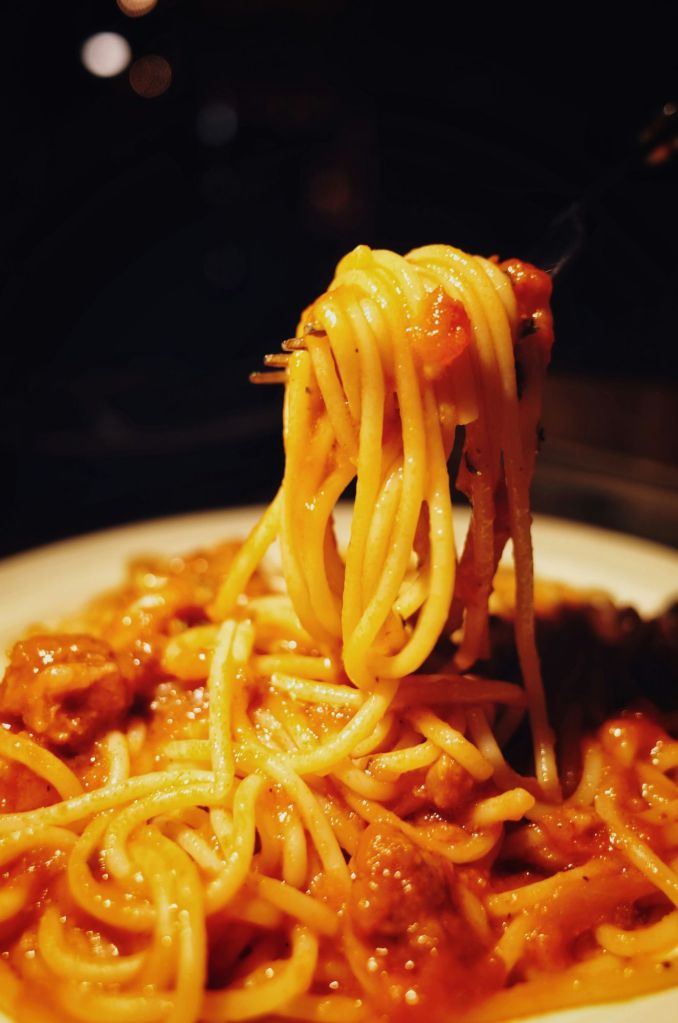
Inserts 🎶”…I won’t give up nah nah nah, let me love you…” 🎶
If the food doesn’t make you sweat or nosy runny, then it’s not peppery enough.
You should know that Nigerian pepper is not polite, it doesn’t apologise or say excuse me before it burns. It lights you up from your tongue to intestines. But it doesn’t end there. You’ll still feel it one last time during your next bowel movement, with a final kiss and goodbye, and a lingering sensation that reminds you—pepper was here.
But the burn won’t stop you from eating it again because it is an obsession and the glory is in the tolerance for pepper.
It is a burning love affair, hotter than most romance stories.
So where do we draw the line in pepper consumption?
Which line? I’m sorry it’s blur.
In Nigeria, it is part of the ingredients used in locally made drinks like zobo, kunu. Snacks are not left out too, you’ll find pepper in puff puff, buns, chinchin, and plantain chips, to mention a few.
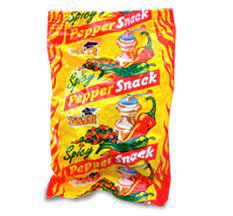
Back in the early 2000s there was a snack called pepper snacks and it was my favourite biscuits—all because it was spicy. If possible, pepper would be added to chewing gum and lollipops.
The three major tribes have their pepper preferences and levels of tolerance.
Yorubas are the generals when it comes to eating pepper. They can put pepper in anything, even in salads. If roasted/fried yam or potato is not served with a side of pepper it would be an utter disappointment. In fact any food without pepper is a disappointment. Some can’t even drink beverages without adding a pinch of pepper.
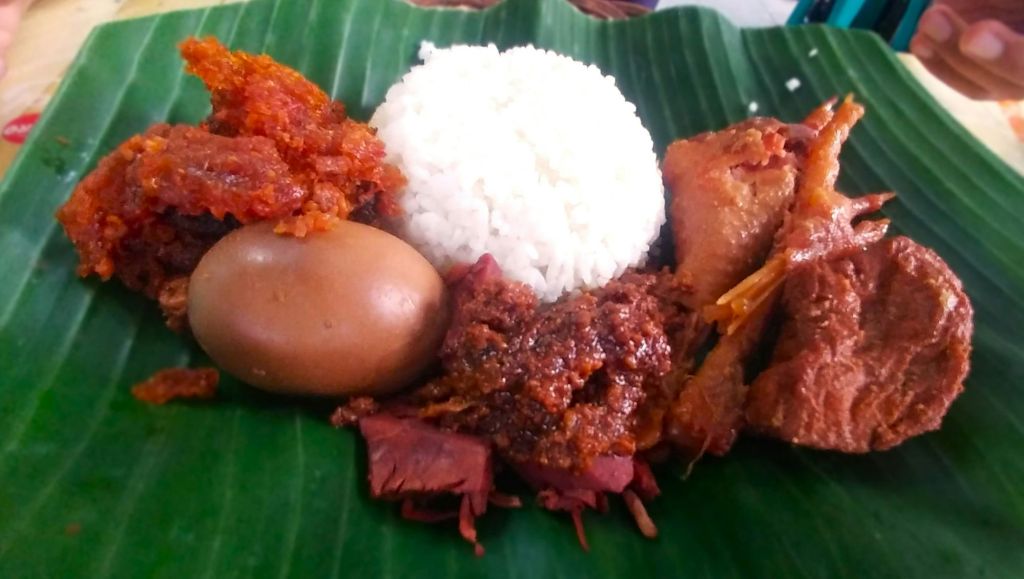
Igbos and their pepper soup never carries last, but in my opinion it could be spicier.
The Hausa’s “yagi”— suya spice—is a treasured blessing to Nigerians. It serves many purpose as it is used in cooking noodles, frying eggs, and even cooking soups. No matter the kind of pepper, as long as it is spicy, it’s good to go in many dishes.
The ideal Nigerian stew doesn’t contain one kind of pepper, at least scotch bonnets (ata rodo), red bell pepper (tatashe) and cayenne pepper (shombo) should be present. These peppers are legendary and non-negotiable in stews.
And it has its benefits:
- Before refrigeration, pepper was used and is still being used as a preservative.
- Pepper doesn’t just add heat to food, but adds depth and gives life to other flavors.
- Pepper contains a compound called capsaicin which is responsible for it’s heat, being rich in Vitamin A and D, it is very beneficial to the health—pain relief and metabolism booster.
- Hot food makes you sweat and clears the sinuses, which is usually good when you have a congested nose.
So, Why Can’t Nigerians Do Without Pepper?
Because without pepper:
Rice is just depressing.
Stew is soup in denial.
Soup is… well, just watery disappointment.
Life is boring.
Pepper is power. Pepper is passion. Pepper is proof that Nigerians don’t cower rom heat—we face it head-on, garnish it, and call it lunch.

 AllDiet Food blog
Leave a comment