The food choices we make not only impact our health but also the well-being of our planet. In this article, we’ll explore 10 healing foods that are not only beneficial for our bodies but also sustainable for the environment. By incorporating these foods into our diets, we can promote our health while supporting eco-friendly practices.
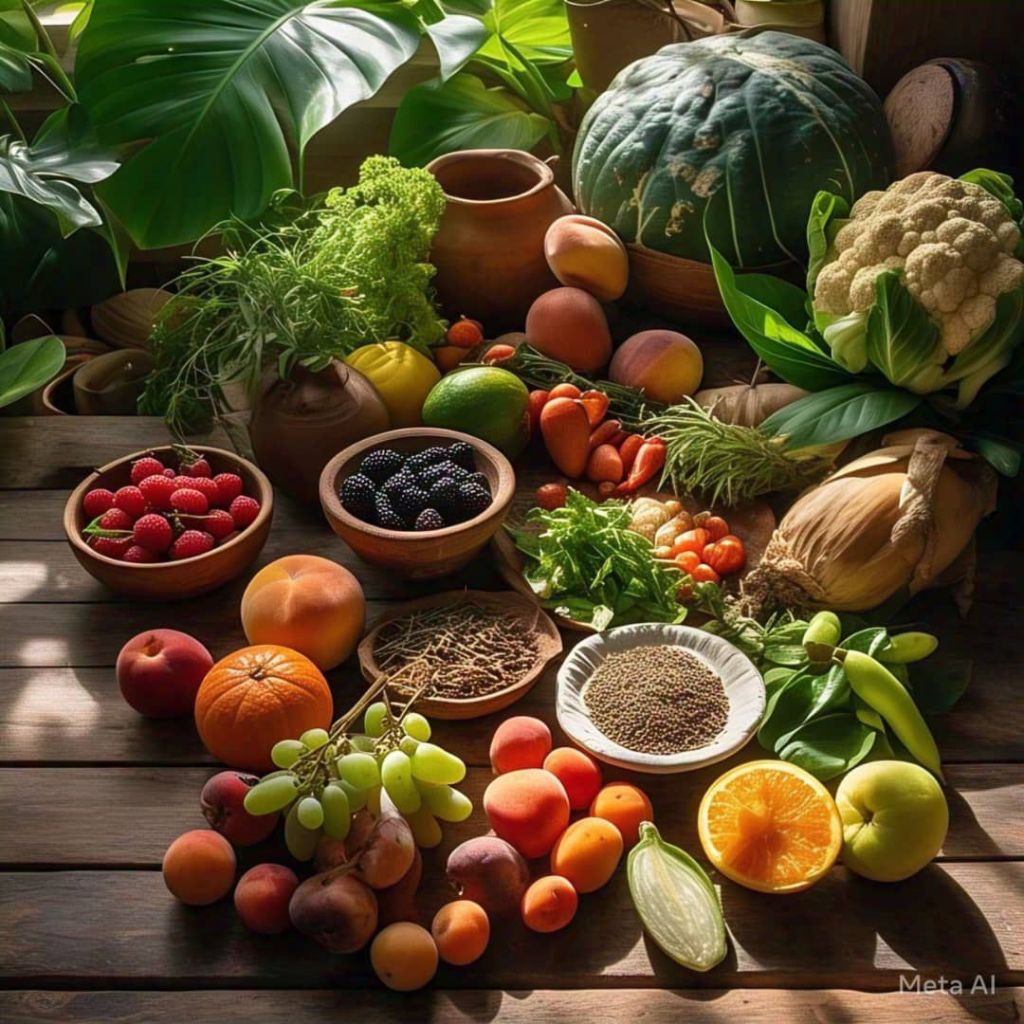
1. Hydrate with Water
Drink 8 to 12 cups of water daily to stay hydrated and support overall health.
2. Dark Leafy Greens
Eat dark green vegetables like broccoli, kale, spinach, and Brussels sprouts at least 3-4 times a week. These nutrient-dense foods are rich in vitamins and minerals.
3. Whole Grains
Incorporate whole grains like quinoa, brown rice, and whole wheat into your diet 2-3 times a day. Look for fiber-rich options with 3-4 grams per serving.
4. Beans and Lentils
Enjoy bean-based meals at least once a week. Add legumes to soups, stews, and salads for a protein-packed punch.
5. Sustainable Seafood
Eat 2-3 servings of fish like salmon, sardines, and trout per week. Choose options that are low in mercury and sustainably sourced.
6. Berries and Fruits
Include 2-4 servings of fruits like berries, citrus fruits, and apples in your daily diet. These antioxidant-rich foods support overall health.
7. Winter Squash and Sweet Potatoes
Enjoy winter squash like acorn and butternut squash, as well as sweet potatoes, which are rich in vitamins and minerals.
8. Soy Products
Incorporate 25 grams of soy protein per day into your diet through foods like tofu, soy milk, and edamame.
9. Nuts, Seeds, and Flaxseed
Add 1-2 tablespoons of ground flaxseed or other seeds to your food daily. Include a moderate amount of nuts (1/4 cup) in your diet.
10. Organic Dairy
Choose organic, low-fat dairy products like yogurt and milk to support calcium needs. Aim for 1000-1200 milligrams of calcium per day.
Here are eight simple things that can be done to have a healthier planet.
- Cut your food waste
Think about how you buy, prepare and dispose of food. When you throw away food, you’re also wasting the energy, land, water, and fertilizer that was used to produce, package, and transport it.
Only buy what you need and use up what you buy. And don’t shy away from buying imperfect-looking fruits and vegetables. They might otherwise get thrown out.
Stop the waste, save money, reduce emissions, and help preserve resources for future generations.
If you do need to throw out food, composting your leftovers can reduce the amount of methane and CO2 released by the organic waste.
- Try a sustainable recipe
Have a look at these recipes by leading chefs who are cooking up dishes that are not only delicious but also good for you and the planet.
- Shop with a reusable bag
The production, use and disposal of plastics contribute to climate change. Instead of a plastic bag, use your own reusable bag and reduce the amount of plastic waste in our world.
- Use long-lasting light bulbs.
Energy efficient light bulbs reduce greenhouse gas emissions. Also flip the light switch off when you leave the room.
- Plant a tree.
Trees provide food and oxygen. They help save energy, clean the air, and help combat climate change.
- Eat more vegetables
Eating more vegetables, fruits, whole grains, legumes, nuts, and seeds, and less meat and dairy, can significantly lower your environmental impact. Producing plant-based foods generally results in fewer greenhouse gas emissions and requires less energy, land, and water. Shifting from a mixed to a vegetarian diet can reduce your carbon footprint by up to 500 kilograms of CO2e per year (or up to 900 kilograms for a vegan diet).
- Clean up your environment
Humans, animals and plants all suffer from land and water contaminated by improperly discarded garbage. Use what you need, and when you have to throw something out, dispose of it properly. Educate others to do the same, and participate in local clean-ups of parks, rivers, beaches and beyond. Every year, people throw out 2 billion tons of trash. About a third causes environment harms, from choking water supplies to poisoning soil.
- Drive less
Even the use of hybrid vehicles contributes to carbon emissions, greenhouse gases, and reduced air quality. Take a moment to consider how you can use your personal vehicle less. You could carpool or take public transportation to work, walk to church, or bike to pick up a few things from the store and make the world a better place.

Food needs to be grown and processed, transported, distributed, prepared, consumed, and sometimes disposed of. Each of these steps creates greenhouse gases that trap the sun’s heat and contribute to climate change.
The largest chunk of food-related greenhouse gases comes from agriculture and land use. This includes, for instance:
- Methane from cattle’s digestive process,
- Nitrous oxide from fertilizers used for crop production,
- Carbon dioxide from cutting down forests for the expansion of farmland,
- Other agricultural emissions from manure management, rice cultivation, burning of crop residues, and the use of fuel on farms.
Start eating a more plant-rich, balanced diet – one that provides energy and nutrients from several different food groups – and reduce foods that are harder on our planet.
Conclusion.
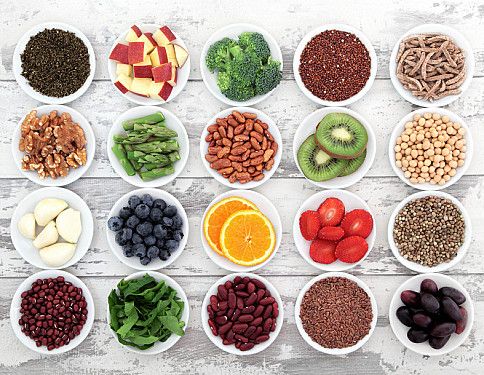
What you eat is much more important than how far that food has travelled or how much packaging it has. By embracing these healing foods, you’ll not only nourish your body but also contribute to a more sustainable food system. Make informed choices that benefit both your health and the planet.

 AllDiet Food blog
Leave a comment