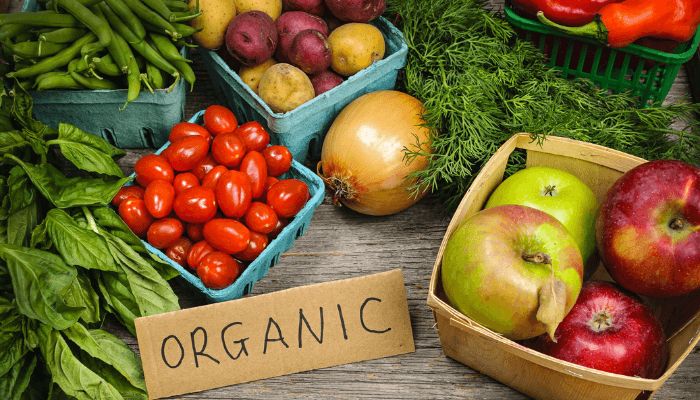
Organic foods are those produced through organic farming—a method that avoids the use of synthetic chemicals (like fertilizers and pesticides), radiation, or genetic modification (as seen in GMOs). Organic farming also promotes sustainable soil practices.
Although organic production may include private gardening, the two terms aren’t synonymous. A private garden can still use chemical inputs or modified seeds. Organic foods, on the other hand, are regulated: for example, in the U.S., they must contain at least 95% organic content to earn the label.
Organic food isn’t limited to crops. It includes animal products too. In organic livestock farming, the use of preventive antibiotics is discouraged, which helps curb antimicrobial resistance. These animals are fed organic feed, have outdoor access, and their welfare is prioritized.
What then is the standard?
The WHO doesn’t endorse one method of farming over the other. Instead, it emphasizes maintaining a balanced diet, regardless of whether the food is organic or conventionally grown. This is because current evidence hasn’t conclusively proven that one is healthier than the other.
That said, some studies—like those cited by the Mayo Clinic—suggest a reduced risk of non-Hodgkin lymphoma among those who eat organic foods, likely due to lower pesticide exposure. Still, people who choose organic tend to lead overall healthier lifestyles, which could explain the better health outcomes. So it’s hard to say organic food alone makes the difference.
“What then should I choose – organic or conventional?”
The choice is personal. If you care deeply about sustainability and minimizing harm to the ecosystem, organic farming or food may be your preferred route. But ultimately, the goal is to eat healthy.
If conventional farming allows you greater variety and affordability, that’s okay too. Both types are held to safety standards, so you’re not missing out on essential nutrients or safety.
In conclusion…
If you’re aiming for the best choice, think variety and quantity. (You may click the link on Food Fusion for ideas.)
Regardless of whether your food is organic or conventional:
- Always check food labels before purchasing.
- Wash fruits and vegetables thoroughly—but only when you’re ready to use them.
- Avoid buying visibly damaged produce.
Reference
Mayo Clinic. (2025). Nutrition and Healthy Eating. Healthy Lifestyle. https://www.mayoclinic.org/healthy-lifestyle/nutrition-and-healthy-eating/in-depth/organic-food/art-20043880

 AllDiet Food blog
Leave a comment