Jane and Ella, two curious tourists, arrived in an African country, eager to explore its flavors. As they landed, their hunger led them to a fancy airport restaurant. Scanning the menu, they were struck by the unique pairing of each dish with a specific spice, offered complimentary.
Intrigued, they read on, discovering rave reviews from past customers. But what caught their attention was the remarkable feedback about the healing properties of the food. People shared stories of improved digestion, boosted energy, and overall well-being.
Jane and Ella decided to experience it for themselves, ordering separate dishes with different spices. With the first few bites, they were amazed by the explosion of flavors and the savory taste of the spices.
After their delightful meal, they requested to meet the manager. Serendipitously, the CEO had just arrived and was available to chat. Jane and Ella expressed their gratitude for the innovative approach to healthy eating and encouraged the CEO to continue her exceptional work.
As they parted ways, they couldn’t help but wonder if the secret ingredient was indeed the complimentary spice that came with every meal.
The story highlights the significance of spices in our lives, not just for adding flavor to our food, but also for their numerous health benefits. The use of spices dates back centuries, with various cultures utilizing them for their medicinal, spiritual, and culinary properties.
In this article, we’ll explore the numerous health benefits of spices and it’s healing power in global dishes.
WHAT ARE SPICES?
Spices, are aromatic flavorings from seeds, fruits, bark, rhizomes, and other plant parts which are used to season and preserve food. They’re sold in dried form, but that doesn’t mean spices last forever; their strong flavors will be lost over time, especially if exposed to light and air.
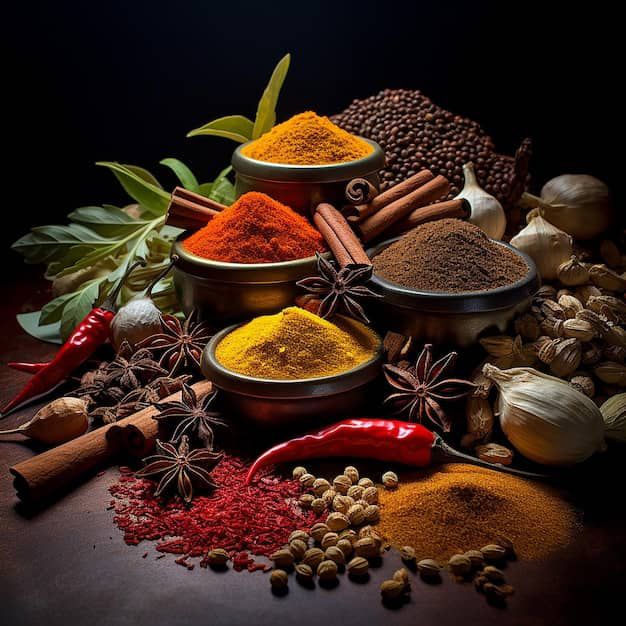
HEALTH BENEFITS OF SPICES.
- Spices not only enhance the flavor, aroma, and color of food and beverages, but they can also protect from acute and chronic diseases.
- Spices and herbs possess antioxidant, anti-inflammatory, antitumorigenic, anticarcinogenic, and glucose- and cholesterol-lowering activities as well as properties that affect cognition and mood.
- Spices and herbs such as clove, rosemary, sage, oregano, and cinnamon are excellent sources of antioxidants with their high content of phenolic compounds.
- Frequent consumption of spicy foods is also linked to a lower risk of death from cancer and ischemic heart and respiratory system diseases.
Here are some examples of the healing power of spices in global dishes:
- Turmeric in Indian Curries.
Turmeric contains curcumin, a powerful anti-inflammatory compound that has been shown to reduce symptoms of arthritis, improve cognitive function, and even help prevent cancer.
- Potash In West African Cooking.
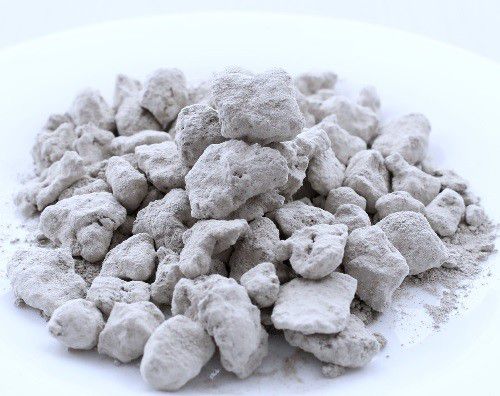
Potash has an alkalizing effect on the body, which can help maintain a balanced pH level. An overly acidic body can be a breeding ground for various health issues, and potash can help counteract this.
- Ginger in Japanese Ramen.
Ginger has natural anti-inflammatory properties that can help alleviate nausea, reduce pain, and even lower cholesterol levels.
- Cinnamon in Middle Eastern Desserts.
Cinnamon has been shown to have antibacterial and anti-inflammatory properties, which can help reduce blood sugar levels, improve heart health, and even aid in weight loss.
- Crayfish in Nigeria Foods.
Eating crayfish helps improve your body’s metabolism. It contains a lot of essential nutrients as well as Omega-3 fatty acids, which would reduce the risks of diseases by helping to promote the function of the immune system. Instead of cooking with many processed seasons, which contain a lot of artificial components, cook with crayfish. You can even substitute your regular fish or meat for crayfish to help you lose weight faster. To improve your body metabolism, eat crayfish regularly.
- Cayenne Pepper in Korean Kimchi.
Cayenne pepper contains capsaicin, which can help reduce pain, improve circulation, and even aid in weight loss.
- Saffron in Spanish Paella.
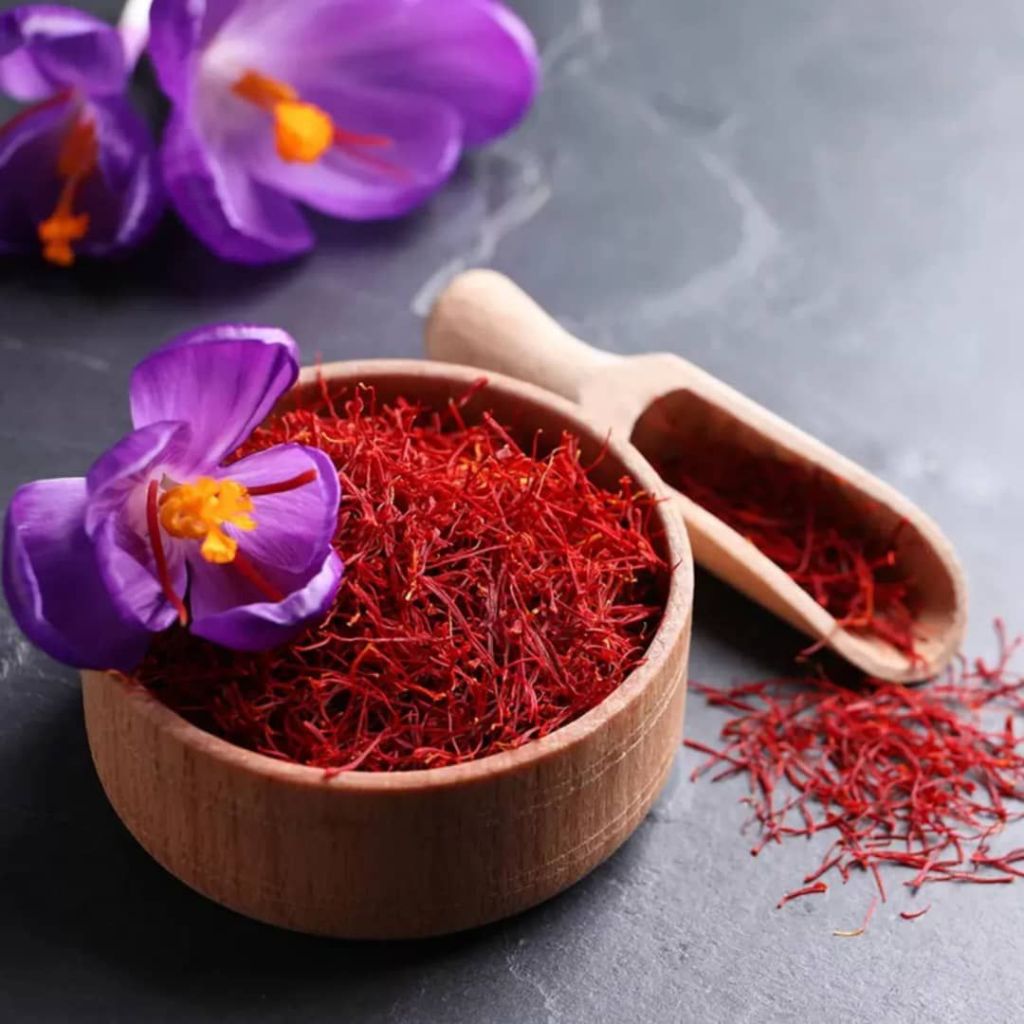
Saffron contains crocin, a compound that has been shown to have antidepressant and anti-inflammatory properties.
- Garlic in Mediterranean Dishes.
Garlic has antibacterial and antiviral properties that can help boost the immune system, reduce cholesterol levels, and even lower blood pressure.
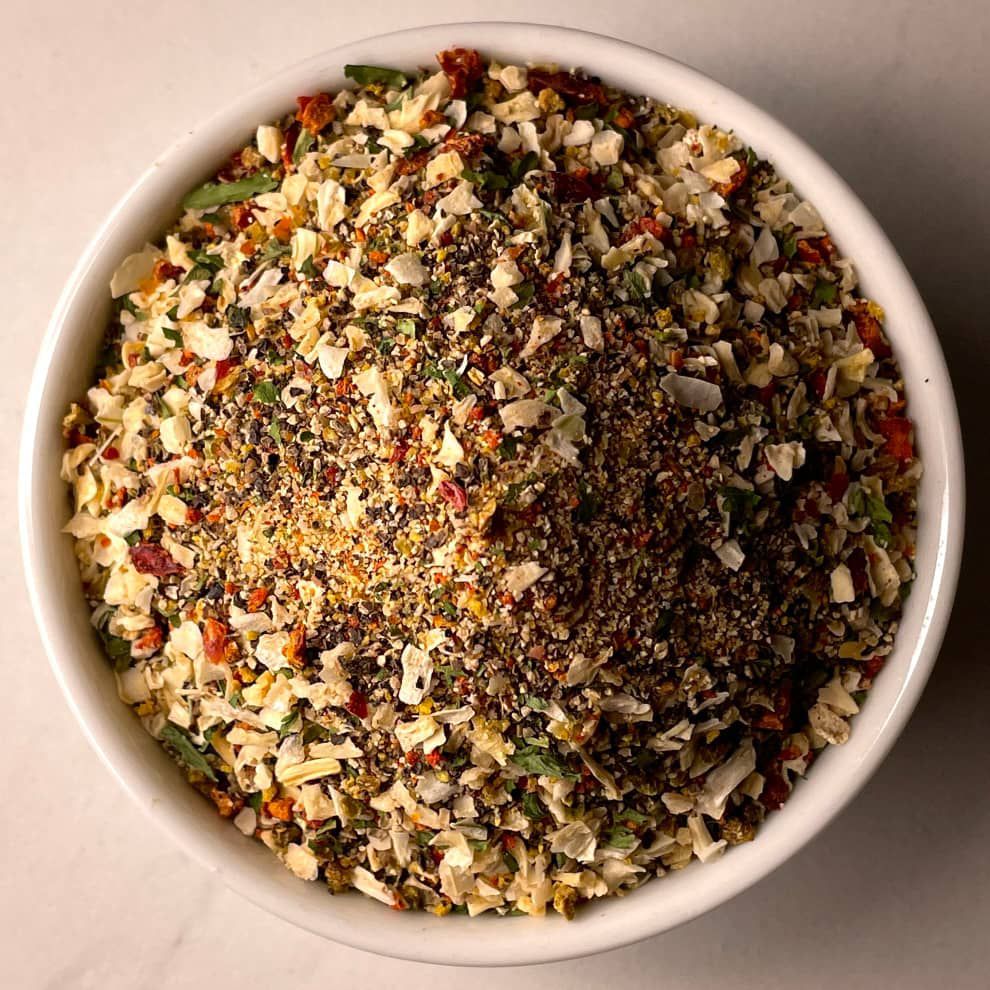
- Paprika in Hungarian Goulash.
Paprika contains antioxidants that can help reduce inflammation, improve heart health, and even aid in cancer prevention.
- Coriander in Mexican Salsas.
Coriander has antibacterial and anti-inflammatory properties that can help reduce digestive issues, improve blood sugar levels, and even aid in weight loss.
- Black Pepper in Cameron Dishes.
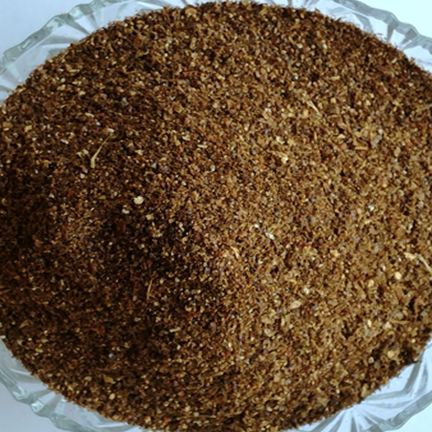
Black pepper contains antioxidants and may support your overall health. Benefits can include reducing inflammation and supporting blood sugar control and brain health, among others.
CONCLUSION
These are just a few examples of the healing power of spices in global dishes. By incorporating spices into our daily meals, we can potentially reduce our risk of chronic diseases, improve our overall health, and even support mental well-being.


 AllDiet Food blog
Leave a comment