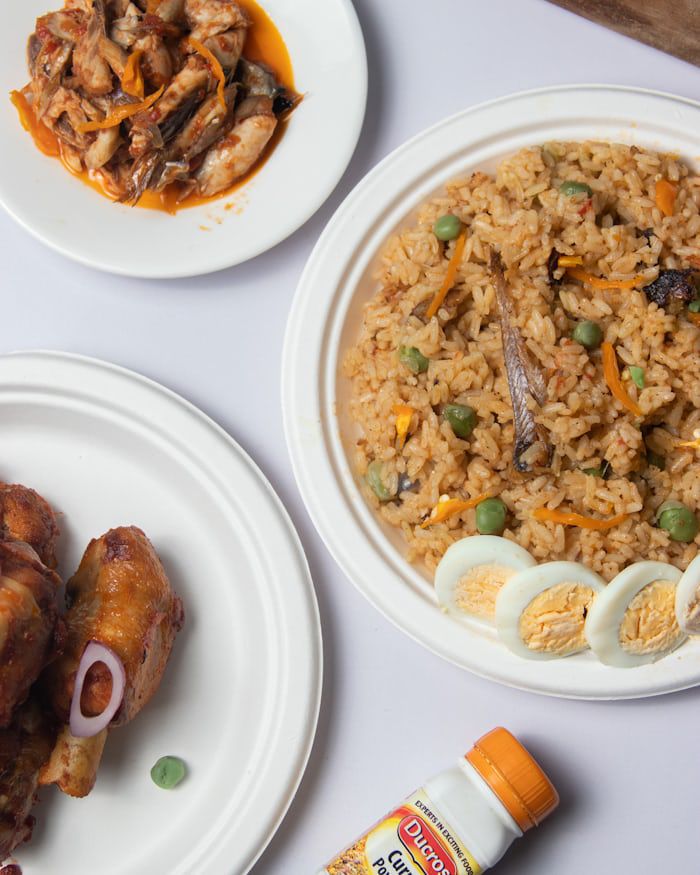
Nigerian cuisine is rich, diverse, and deeply rooted in tradition, culture and familyhood. From our smoky jollof rice to hearty egusi soup and the comforting taste of amala and ewedu, our meals are packed with bold flavors and cultural significance. But as the world becomes more interconnected, we’re seeing an exciting shift.
Global flavours are making their way into our kitchens, offering new ways to enhance both the taste and health benefits of our beloved Nigerian dishes.
Incorporating international ingredients, cooking techniques, and nutrition trends into Nigerian meals is not about replacing our food at all but improving its nutritional value, reducing unhealthy additives, and embracing a more balanced way of eating.
Here’s how global flavours are making our Nigerian dishes healthier.
1. Infusing Healthier Oils into Traditional Cooking:
Palm oil is a staple in Nigerian cuisine, adding richness to dishes like banga soup and ofada stew. While palm oil has its benefits (rich in vitamin E and antioxidants), excessive consumption may contribute to heart-related issues due to its high saturated fat content. So other oils are being introduced for health and diversity such as;
- Olive Oil in Nigerian Cooking: This is inspired by the Mediterranean diet and olive oil is now being used in Nigerian dishes like vegetable sauce, yam porridge, and even stir-fried jollof rice. It contains heart-healthy monounsaturated fats that support cardiovascular health.
- Coconut Oil for Nigerian Snacks:
Coconut oil, popular in Asian and Caribbean diets, is a great alternative for frying akara or plantain chips. It adds a subtle sweetness while providing medium-chain triglycerides (MCTs) for quick energy.
- Avocado Oil for Dressings:
Instead of heavy mayonnaise-based salad dressings, avocado oil is now being used in Nigerian-style coleslaw and grilled fish marinades, offering a dose of healthy fats.
2. Leaner Protein Choices for Nigerian Meals:
Many Nigerian meals are protein-heavy, with red meat being a frequent feature in soups, stews, and grills. However, new alternatives are being introduced into our meals today.
- Seafood-Based Nigerian Dishes:
Originally Inspired by Asian and Mediterranean diets, more Nigerians are incorporating fish like salmon, mackerel, and sardines into traditional dishes such as efo riro and banga soup. These fish are rich in omega-3 fatty acids, which support brain and heart health.
- Chicken and Turkey over Red Meat: Instead of beef or goat meat, grilled turkey or skinless chicken is being used more in suya, pepper soup, and rice dishes, reducing saturated fat intake.
- Plant-Based Proteins in Nigerian Cooking: Borrowing from global plant-based trends, Nigerians are rediscovering local legumes like bambara nuts and lentils. Lentils can be used as a base for moi moi, and chickpeas are being added to traditional vegetable soups for extra protein.
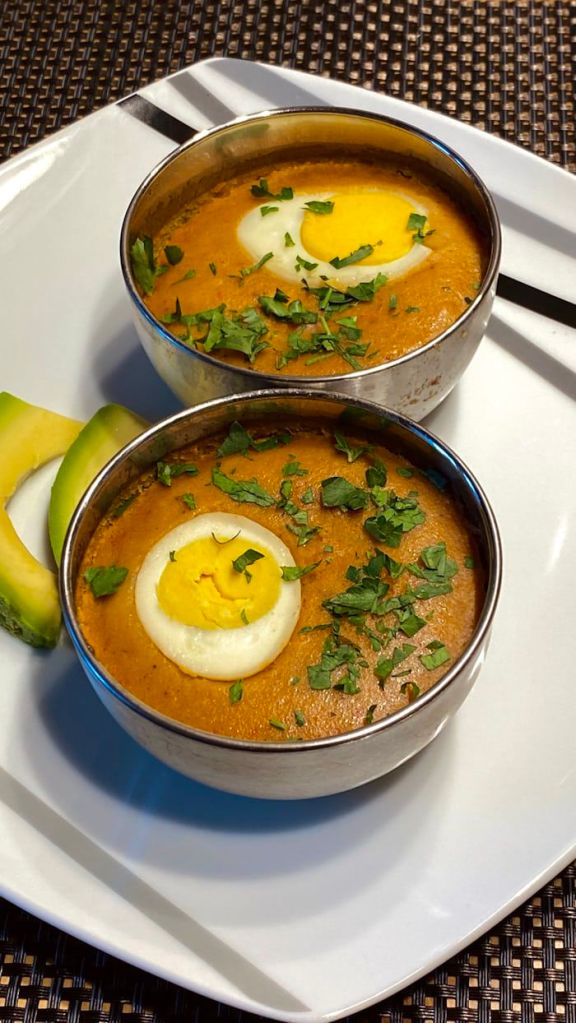
3. Alternative Whole Grains for Nigerian Staples:
Staple Nigerian dishes like white rice, semovita, and pasta are delicious but can sometimes be high in refined carbohydrates, leading to blood sugar spikes. So we can consider some better way to eat some of our foods below;
- Brown Rice for Jollof and Fried Rice: If we carefully observe and follow global healthy eating trends, brown rice is now used in Nigerian jollof rice and fried rice. It has more fiber, which helps with digestion and blood sugar control.
- Fonio (Acha) as a Swallow Alternative: Fonio, a West African super grain, is gaining popularity as a healthier alternative to semovita and wheat swallow. It’s gluten-free and rich in amino acids.
- Quinoa in Nigerian Salads and Side Dishes: This was inspired by South American cuisine and quinoa is now being added to Nigerian salads and used as a side dish with grilled proteins, providing a protein-rich, high-fiber option.
4. Healthier Cooking Methods Inspired by Global Trends.
Traditional Nigerian cooking often involves deep frying, excessive oil usage, and long cooking times that may deplete nutrients. However, global cooking methods are changing how we prepare our meals, some of which we would be considering below;
- Grilling and Baking Instead of Deep Frying: Instead of deep-frying plantain, chicken, or akara, more Nigerians are opting for air frying or oven baking. Baked akara and grilled boli (plantain) are becoming popular healthier choices.
- Steaming and Stir-Frying for Vegetable Dishes: Although this is commonly found in Asian cuisine, steaming and stir-frying are now being used to prepare Nigerian vegetable-based meals like efo riro and ugwu soup. This retains more nutrients compared to overcooking.
- Fermentation for Gut Health: Fermented foods like ogi (pap) and iru (locust beans) are traditional Nigerian probiotics, but with global knowledge on gut health, they are now being intentionally included in diets to support digestion.
5. Using Herbs and Spices to Reduce Sodium and Artificial Seasonings
One major concern in Nigerian cooking is the heavy reliance on bouillon cubes, which contain high amounts of sodium and artificial additives. Global flavours are helping us transition to more natural seasoning options.
- Turmeric and Ginger in Nigerian Dishes: This originally was found from Indian cuisine, but turmeric and ginger are now widely used in Nigerian stews, rice dishes, and teas, offering anti-inflammatory and immune-boosting properties.
- Fresh Herbs Instead of Seasoning Cubes: More Nigerians are replacing seasoning cubes with natural herbs like thyme, rosemary, scent leaf (nchanwu), and basil to enhance flavour without excessive sodium.
- Cayenne and Black Pepper for a Flavor Kick: Instead of relying solely on artificial seasonings, spices like cayenne, black pepper, and coriander (inspired by Middle Eastern cuisine) are now being used to add depth to Nigerian dishes.
6. Global Superfoods in Nigerian Meals
The rise of superfoods has influenced the way we incorporate nutrient-dense ingredients into our meals. Some examples are listed below for you to consider and add to your meals.
- Chia Seeds in Nigerian Pap and Smoothies: Chia seeds, originally from South America, are now being added to pap (ogi) and smoothies, providing omega-3s and fiber.
- Greek Yogurt Instead of Sugary Drinks: Instead of condensed milk and sugar-filled drinks, many Nigerians are using Greek yogurt as a base for fruit parfaits and this was originally inspired by Western health trends.
- Matcha and Green Tea for Detox Drinks: Green tea and matcha, commonly used in Asian diets, are gaining popularity in Nigeria as natural detox drinks that support metabolism.
For us, our Nigerian food will always be a source of pride, but integrating global flavours doesn’t mean losing our identity, it means improving our meals for better health.
By adopting healthier oils, leaner proteins, whole grains, and natural seasonings, we can still enjoy our favorite dishes while nourishing our bodies.
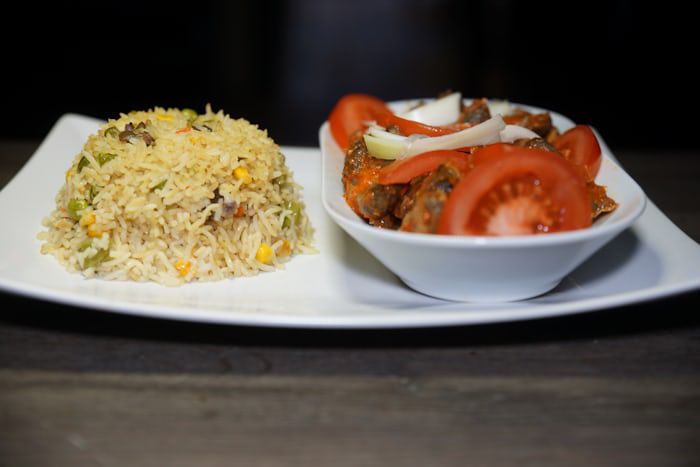
The next time you cook, consider swapping white rice for brown rice, seasoning your soups with fresh herbs, or grilling instead of frying. Small changes inspired by global nutrition trends can make a big difference in how we enjoy Nigerian foods without losing the rich flavours that we love.

 AllDiet Food blog
Leave a comment