Hey, picture this:
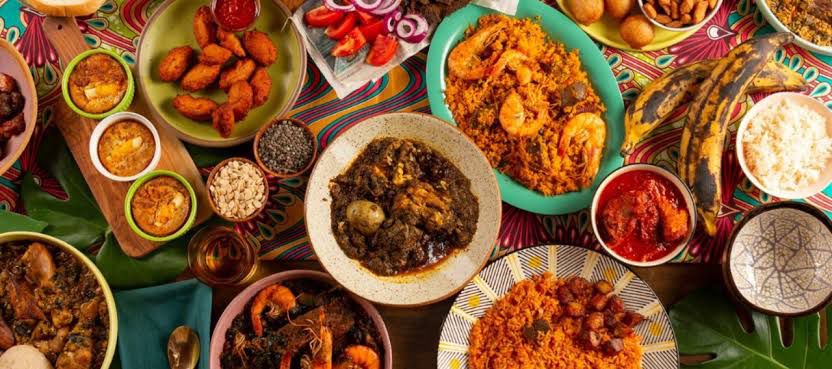
You enter a Nigerian kitchen, expecting the familiar aroma of smoky jollof rice or bubbling egusi soup. But instead, you catch the scent of omelettes and casseroles.
Sounds funny, right?
It is very clear that Nigerian kitchens are evolving.
But here’s the thing.
Indigenous Nigerian foods are more than just meals; they are cultural landmarks. They tell the stories of our ancestors, define our identity, and connect us to our roots. Our local foods are irreplaceable, whether it’s the complex and interesting spice layers in ofada stew or Ikokore. They form the backbone of the African diet, which is rich in nutrients. Yet, as the world becomes more interconnected, our dishes are also expanding.
The key question now isn’t whether global cuisines should replace Nigerian food. It’s how they can coexist, enriching our dining experiences while keeping our meals nutritious, safe, and intact.
Scroll through Instagram or TikTok, and you’ll see food bloggers recreating recipes from around the world. Nigerian food influencers are experimenting with sushi rolls and making homemade noodles, which is not just about curiosity but about having access to varieties. A family that once enjoyed plain rice and stew might now opt for stir-fried jasmine rice with soy sauce and bell peppers. But even with these changes, staples like yam, plantains, and “ogi” remain untouched because these indigenous foods remain at the core of our diet.
Preserving Cultural Dining: Your Responsibility
While global food trends bring excitement and variety to our diets, there’s a responsibility to preserve our culinary heritage. Will the next generation know how to make banga soup? or even cook efo riro? Will they still crave pepper soup on rainy days, or will they reach for spicy noodles instead?
The answer lies in balance. We don’t have to replace our local dishes, and we can still embrace the best of both worlds. Food is meant to evolve, and as long as we keep our traditions alive, there’s room for a little global influence in every Nigerian/Indigenous kitchen.
So, the next time you’re in your kitchen, ask yourself:
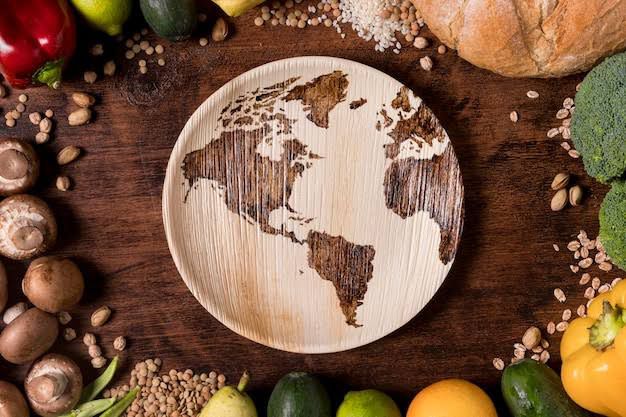
What’s on my plate today? Indigenous or modern?
Am I neglecting the traditional meals?
The answer to these questions would help shapen and redirect our meal choices into a balanced blend of indigenous and modern foods.

 AllDiet Food blog
Leave a comment