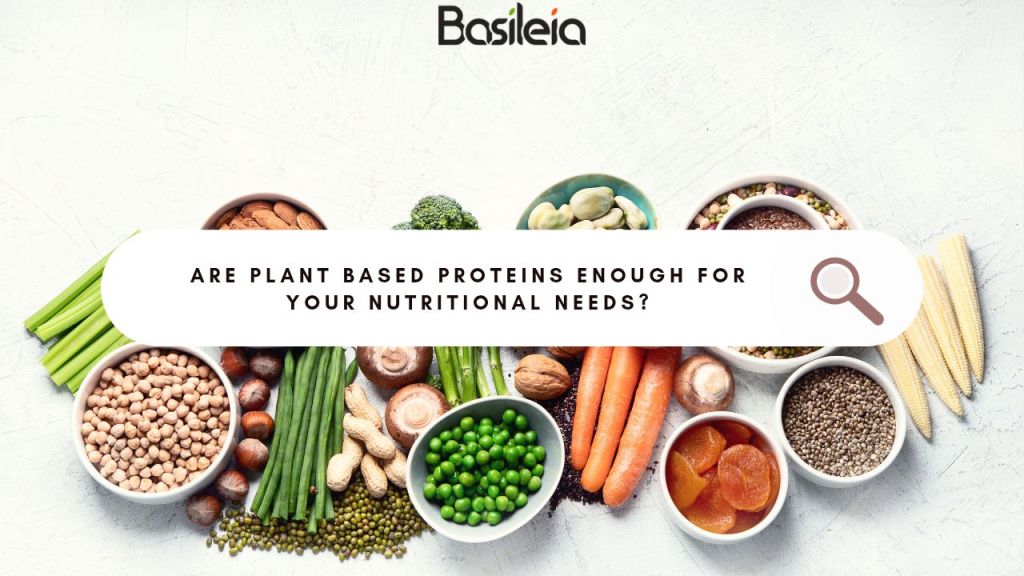
Plant-based diets have gained immense popularity in recent years, with many people choosing them for health, environmental, or ethical reasons. But one major question often arises: are plant-based proteins enough to meet your nutritional needs? The short answer is yes, but with some considerations.
Let’s break it down.
Understanding Protein and Its Role
Protein is an essential macronutrient that plays a key role in muscle repair, enzyme production, immune function, and overall health.
The Recommended Dietary Allowance (RDA) for protein is about 0.8 grams per kilogram of body weight for the average adult, with higher needs for athletes, pregnant women, and older adults.
Traditionally, animal products like meat, eggs, and dairy have been considered the best protein sources because they contain all nine essential amino acids, this makes them complete proteins. However, this doesn’t mean plant-based proteins are insufficient.
Are Plant Proteins Complete?
Most plant proteins are incomplete, meaning they lack one or more essential amino acids. However, combining different plant-based protein sources throughout the day can provide all the essential amino acids the body needs. Some excellent plant-based protein sources include:
– Legumes (Lentils, Chickpeas, Black Beans) – High in protein but low in methionine.
– Grains (Quinoa, Brown Rice, Oats)– Often lacking lysine but rich in methionine.
– Nuts and Seeds (Chia Seeds, Flaxseeds, Almonds) – Offer protein with healthy fats.
– Soy Products (Tofu, Tempeh, Edamame)– One of the few plant proteins that are complete.
By consuming a variety of these foods, it’s possible to get all essential amino acids without relying on animal sources.
Real-Life Examples of Successful Plant-Based Diets
Many professional athletes thrive on plant-based diets. Venus Williams, a world-renowned tennis champion, follows a plant-based diet and continues to perform at an elite level.
Similarly, Arnold Schwarzenegger, once a strong advocate for meat-heavy diets, has significantly reduced his meat consumption and promotes plant-based eating for better health.
These examples show that with proper planning, plant-based proteins can support an active, high-performance lifestyle.
Scientific Evidence Supporting Plant-Based Proteins
Research backs up the effectiveness of plant-based proteins. A 2019 study published in JAMA Internal Medicine found that replacing red meat with plant protein sources was associated with a lower risk of heart disease and premature death.
Additionally, a study in The American Journal of Clinical Nutrition found that plant proteins support muscle growth just as well as animal proteins when consumed in adequate amounts.
The Potential Challenges of Plant-Based Proteins
While plant-based diets can meet protein needs, they require mindful planning. Some challenges include:
1. Lower Protein Density – Plant proteins often contain less protein per serving compared to meat, requiring larger portions.
2. Digestibility Issues – Some plant proteins contain antinutrients (e.g., phytic acid in legumes), which can inhibit nutrient absorption. Soaking, fermenting, or sprouting can help.
3. Vitamin & Mineral Deficiencies – Plant-based diets may lack Vitamin B12, Iron, and Omega-3 fatty acids, making us require fortified foods or supplements.
Conclusion.
Are Plant-Based Proteins Enough?
Absolutely! Plant-based proteins can meet your nutritional needs when consumed in a varied and balanced way. The key is to diversify protein sources, eat enough protein-rich foods, and supplement when necessary.
Whether you’re an athlete, a busy professional, or just someone looking to improve your health, a well-planned plant-based diet can provide all the protein your body needs.
Would you consider switching to more plant-based proteins? Let us know by dropping a comment below.

 AllDiet Food blog
Leave a comment