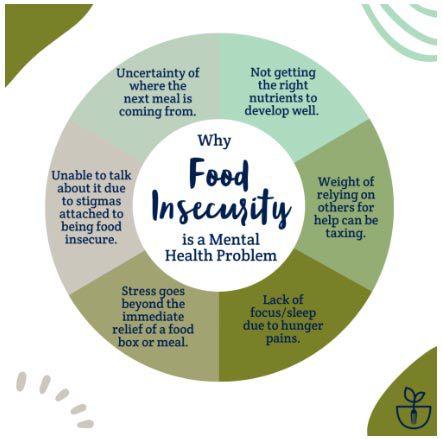
Food insecurity is a global issue, affecting even developed countries like the United States. Defined as a lack of consistent access to enough nutritious food, food insecurity can range from mild to severe, with each level having significant effects.
In severe cases, the consequences can be dire, impacting people of all ages and leading to long-term health issues. This blog explores the causes, health impacts, and widespread effects of food insecurity on communities worldwide and highlights why “Ending Hunger” is an essential Sustainable Development Goal (SDG 2).
Food insecurity is not just about a lack of food; it encompasses limited access to nutritious food, food scarcity, and inconsistent food availability. It is typically categorized into mild, moderate, and severe levels. Severe food insecurity, the most critical stage, often leads to serious health and psychological consequences. The impact spans all ages, though certain demographics may be more vulnerable. For example, children affected by food insecurity often carry its effects into adulthood, including increased risk of chronic diseases like obesity and mental health challenges.
Effects of Food Insecurity on the Health.
A healthy diet is essential for overall well-being. Food insecurity, however, can lead to various forms of malnutrition, from stunting and wasting in children to micronutrient deficiencies across all ages. Malnutrition-related diseases like Kwashiorkor and Marasmus are prevalent in areas with severe food shortages, contributing to high mortality rates in children.
Interestingly, obesity can also be a consequence of food insecurity. This is because people may turn to cheaper, processed foods high in unhealthy fats, sugars, and carbs, leading to weight gain and associated health issues.
How Food Insecurity Impacts Physical and Mental Health
For children, inadequate nutrition can result in developmental delays and reduced cognitive abilities, limiting their educational outcomes.
Among adults, food insecurity is associated with higher rates of mental health conditions such as anxiety, depression, and even suicidal thoughts.
In older adults, the effects can be particularly severe, leading to weakened immunity, increased fractures, and delayed recovery from illnesses. A poor diet impacts gut health as well, which plays a crucial role in both physical and mental health.
Global Hotspots for Food Insecurity.
Countries currently facing high levels of food insecurity due to conflict include South Sudan, Ukraine, and Gaza (Palestine). These regions not only suffer directly but also impact other countries dependent on their food supplies. Global food chains are highly interconnected, so disruptions in one area can quickly lead to shortages and price hikes elsewhere, affecting food security worldwide.
Economic and Social Impact of Food Insecurity on Communities
Food insecurity weakens economies as poor health reduces productivity. When a significant portion of a population is food insecure, the workforce suffers, leading to lower economic output. Educational outcomes are also affected, as children with inadequate nutrition often struggle academically. This perpetuates a cycle where communities fall further behind, unable to keep up with others, which ultimately affects everyone, even those not directly impacted by food shortages.
Collective Action Needed to End Food Insecurity Food insecurity is a pervasive issue that affects everyone, directly or indirectly. Ending food insecurity requires a global effort to address its root causes, from improving food production and distribution systems to supporting conflict resolution in vulnerable regions. By working together, we can help ensure that everyone has access to nutritious food, paving the way for healthier individuals and more resilient communities.

 AllDiet Food blog
Leave a comment